Wound Dehiscence
- admin-fibroheal
- March 26, 2026
Understanding Wound Dehiscence
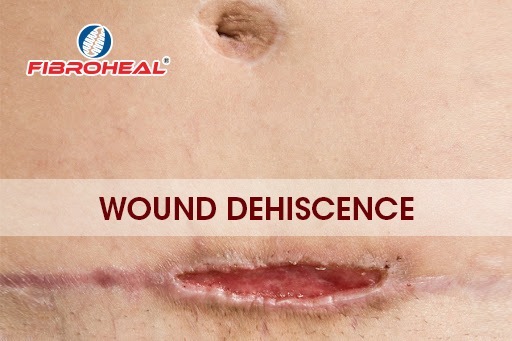
Wound dehiscence refers – when the incision (or cut) a surgeon makes opens or pulls apart post surgery. (Imagine a closed zipper that separates in the middle.) The condition occurs when an incision/cut doesn’t heal as it should. Healthcare professionals may also refer this condition wound disruption or wound separation.
A wound dehiscence can be partial or complete:
Partial wound dehiscence: A small site/area of the wound reopens. It can also occur when the surface of skin (epidermis) and the next layer (dermis) separate.
Complete wound dehiscence: The entire surgical wound reopens. This can mean the entire incision opens or it opens through all layers of skin and muscle at the surgery site.
It can be scary when an cut/incision opens. Individual may wonder why it happened and what it means for person’s recovery. Wound dehiscence can occur for lot of reasons. For instance, stress on the cut/incision can impact healing. So can infection or having certain medical conditions. But healthcare providers have ways to manage wound dehiscence and get you back on the road/route to recovery.
Causes
A surgical wound infection refers to the one of the most predominant cause of wound dehiscence. This event occurs when individual has incisions (cuts) in skin. Surgical wound infections occur when bacteria/germs get into body through the incisions/cuts that surgeons make. This can occur during surgery, during recovery in the hospital or while individual is recovering from surgery at home.
Certain instances, post-surgery complications – for instance – serious vomiting or coughing can also make an incision/cut open.
What are the symptoms of wound dehiscence?
The most common warning signs comprise:
- Bleeding from the surgical site
- Stitches coming loose or breaking
- Fever
- Persistent or elevating pain
- Swelling around the cut/incision
- Redness or darkening of the skin around the surgical site/area
- A sensation of pulling, tearing, or strain at the cut/incision site
Symptoms of Wound dehiscence can appear at any stage of the healing process.
Wound healing is complex and takes time, and the early stages may not be noticeable. Healthcare providers refer to these stages as the wound-healing phases, which include:
1. Hemostasis
This is the body’s natural response to an injury or surgical incision. The body works to stop the bleeding and forms a blood clot at the incision site. This phase usually takes about two days.
2. Inflammation
This phase commences once the blood clot has formed. Blood vessels expand, helping the body get rid of germs or bacteria and damaged tissue from the wound site/area.
3. Proliferation
During this stage, the body produces new cells to form fresh tissue, known as granulation tissue. If you observe the incision, you may notice slightly raised pink or reddish skin. This phase typically lasts between 6 to 21 days.
4. Maturation
This refers to the final stage of healing. The newly formed tissue becomes stronger and more flexible as the cut/incision continues to heal. This stage may take multitude of weeks to up to a year/12 months.
What are the risk factors for wound dehiscence?
Certain medical conditions or medical treatments may elevate risk for wound dehiscence. For example, anything that affects your blood or blocks its flow can slow down healing.
Medical conditions that elevate wound dehiscence comprise:
Anemia: Condition is linked with low levels of healthy oxygen-rich red blood cells. Body requires oxygen to heal. Low red blood cell levels can impede process.
COPD: This condition impacts the quantity of oxygen in blood so an cut/incision doesn’t heal.
Diabetes: People suffering diabetes have raised blood sugar levels. Elevated blood sugar levels can impact white blood cells that help with healing.
Hypoproteinemia: This is a medical condition – low protein in blood. Body utilizes protein to build and repair tissues as well as skin. Having hypoproteinemia can make it tough for body to build new tissue to close an incision/cut.
Obesity: Studies depict having obesity causes chemical alterations in body. These alterations can impact healing.
Fibroheal Products
D-Fibroheal Suture Dress
Prevents surgical site infections, facilitates proliferation, as well as optimizes wound healing.
D-Fibroheal Scarlite
A transparent, triple -layered waterproof, soft absorbent PU foam pad with adhesive backing having anti-inflammatory, antioxidant and moisturization properties to treat the scars formed due to any surgery.- D-Fibroheal Wound Aid
A sterile, transparent, and waterproof island dressing produced with silk protein and antimicrobial silver. It features an absorbent pad with an adhesive backing that helps keep the dressing securely in place during use. The dressing effectively absorbs too much wound fluid, helps shields against infection, and bolsters prompt wound healing.