Orthopaedic Wounds
- admin-fibroheal
- December 16, 2025
In simple terms – Orthopaedic wounds – injuries involving the skin and underlying tissues linked with bones, joints, muscles, ligaments, or tendons. These wounds predominantly occur due to trauma, surgeries, infections, or chronic conditions and need specialized care because of their close relationship with the musculoskeletal system. Proper management of orthopaedic wounds is essential to prevent complications, enhance healing, as well as restore function.
What Are Orthopaedic Wounds?
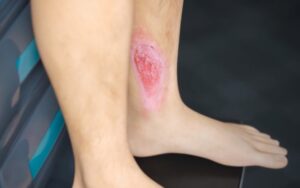
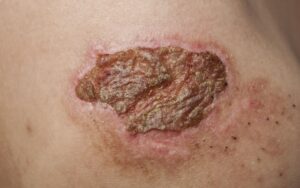
Orthopaedic wounds may be acute or chronic and can range from superficial cuts to deep wounds exposing bone or implants. They often occur in association with fractures, joint injuries, or orthopaedic surgeries such as joint replacements, fracture fixation, or spine procedures.
Because bones and joints have limited blood supply compared to soft tissues, orthopaedic wounds may heal more slowly and are at a higher risk of infection if not managed carefully.
What are the Common Causes of Orthopaedic Wounds?
Orthopaedic wounds can develop due to multitude of reasons, comprising:
- Trauma and Accidents
Road traffic accidents, falls, sports injuries, and workplace incidents can cause open fractures, crush injuries, or deep lacerations. - Surgical Procedures
Post-operative wounds after orthopaedic surgeries – for instance – knee replacement, hip replacement, or fracture fixation require close monitoring to ensure proper healing. - Infections
Bone and joint infections (osteomyelitis or septic arthritis) may lead to wound breakdown, discharge, or sinus formation. - Chronic Conditions
Diabetes, vascular disease, and autoimmune disorders can impair wound healing and increase the risk of chronic orthopaedic wounds. - Pressure and Immobility
Prolonged immobilization due to fractures or neurological conditions can lead to pressure-related wounds near bony prominences.
Types of Orthopaedic Wounds
Open (Compound) Fracture Wounds
These occur when a broken bone pierces through the skin or a wound exposes the fracture site.
Key features:
- Bone exposure
- High risk of infection
- Associated soft tissue damage
Examples: Road traffic accidents, severe falls, industrial injuries
Closed Fracture–Associated Wounds
Although the skin remains intact, internal soft tissue injury occurs around the fractured bone.
Key features:
- Swelling, bruising
- Risk of compartment syndrome
- Delayed wound complications
Post-Surgical Orthopaedic Wounds
Wounds that develop after orthopaedic procedures such as joint replacements, spine surgery, or fracture fixation.
Key features:
- Surgical incisions
- Risk of wound dehiscence or infection
- Requires careful monitoring
Infected Orthopaedic Wounds
These wounds are complicated by bacterial infection involving soft tissue, bone, or implants.
Key features:
- Redness, warmth, pain
- Pus or foul-smelling discharge
- May progress to osteomyelitis
Implant-Related Wounds
Wounds associated with orthopaedic implants such as plates, screws, nails, or joint prostheses.
Key features:
- Delayed healing
- Implant exposure
- Biofilm-related infections
Chronic Non-Healing Orthopaedic Wounds
Wounds that fail to heal within the expected timeframe (usually >6 weeks).
Key features:
- Poor blood supply
- Recurrent infection
- Common in diabetics and elderly/old age patients
Traumatic Soft Tissue Wounds
Injuries impacting muscles, tendons, ligaments, and fascia around bones and joints.
Key features:
- Lacerations, avulsions, crush injuries
- May expose deeper structures
- Typically associated with fractures
Degloving Injuries
Severe traumatic wounds where the skin and subcutaneous tissue are separated from underlying structures.
Key features:
- Extensive tissue loss
- High infection risk
- Requires reconstructive surgery
Pressure-Related Orthopaedic Wounds
Develop near bony prominences due to prolonged pressure and immobility.
Key features:
- Common over heels, sacrum, hips
- Seen in bedridden or immobilized patients
- Slow healing
Osteomyelitis-Related Wounds
Wounds caused by or leading to bone infection.
Key features:
- Chronic discharge or sinus tract
- Bone involvement
- Requires long-term treatment
Vascular-Compromised Orthopaedic Wounds
Wounds linked with poor blood circulation.
Key features:
- Delayed healing
- Tissue necrosis
- Predominant in peripheral arterial disease
Sports-Related Orthopaedic Wounds
Wounds resulting from athletic activities.
Key features:
- Abrasions, tendon injuries
- Joint involvement
- Usually acute as well as traumatic
Wound Care In Orthopaedics
Significance of Early and Proper Wound Care
Early intervention is critical in orthopaedic wounds. Delayed or inadequate care can result in serious complications like:
- Chronic infection
- Delayed bone healing or non-union
- Implant failure
- Amputation in severe cases
- Long-term disability
A multidisciplinary approach involving orthopaedic surgeons, wound care specialists, physiotherapists, and nurses often ensures the best outcomes.
Principles of Orthopaedic Wound Management
Effective management of orthopaedic wounds follows key principles:
- Thorough Assessment
Evaluation of wound size, depth, tissue involvement, blood supply, and signs of infection is essential. Imaging may be required to assess bone involvement. - Wound Cleaning and Debridement
Removal of dead or infected tissue (debridement) promotes healthy healing and reduces bacterial load. - Infection Control
Appropriate antibiotics, guided by culture reports when necessary, are crucial to prevent or treat infection. - Stable Bone Fixation
Proper stabilization of fractures or joints supports wound healing by minimizing movement and improving blood flow. - Advanced Wound Dressings
Modern dressings such as negative pressure wound therapy (vacuum-assisted closure), antimicrobial dressings, and moisture-balancing materials help accelerate healing. - Soft Tissue Coverage
In complex cases, skin grafts or flap surgeries may be required to cover exposed bone or implants.
Role of Nutrition and Lifestyle
Healing orthopaedic wounds needs adequate/sufficient nutrition. Proteins, vitamins (especially A, C, and D), zinc, and iron play an important role in tissue repair and bone healing. Smoking cessation, blood sugar/glucose control in diabetics, and proper hydration significantly enhance healing outcomes.
Rehabilitation and Follow-Up
Once the wound begins to heal, physiotherapy and rehabilitation are important to restore movement, strength, and function. Regular follow-up allows early detection of complications and ensures that both the wound and underlying orthopaedic condition are healing appropriately.
Conclusion
In a nutshell, orthopaedic wounds are complex injuries that require timely, specialized, as well as comprehensive care. With proper wound management, infection control, nutritional support, and rehabilitation, most orthopaedic wounds can heal successfully, allowing patients to regain mobility and quality of life. Awareness, early treatment, and sticking to medical advice remain the cornerstones of optimal orthopaedic wound care.