Myth Buster: Non-Healing Wounds
- admin-fibroheal
- March 5, 2026
Got a cut or scrape weeks ago that still hasn’t healed? If the area remains red, swollen, or continues to leak fluid, it could be a sign of a non-healing wound. While it’s common to think, “It’s fine, I’ll just keep cleaning it,” sometimes a wound can become “stuck,” meaning the body isn’t progressing through the normal healing process as it should.
Several individuals still believe predominant myths related to wound healing, and these misconceptions can lead to severe infections, prolonged pain, as well as in certain instances even hospitalization.
Myth #1: “In a scenario where wound doesn’t hurt, It must be healing”
Lot of people think a wound that doesn’t hurt must be healing just fine. But this isn’t always the case, especially for individuals suffering from diabetes, nerve damage, or circulation issues/problems.
What to do: In a scenario where wound isn’t painful, look out for redness, swelling, unusual drainage, or slow healing. These are all signs individual may require medical care.
Myth #2: “Wounds Can Just Be Treated At Home”
The Truth is that home care only works for minor cuts as well as scrapes.
A non-healing wound is one that doesn’t improve within 1 month’s time/four weeks. While cleaning and bandaging at home is good for small, surface-level cuts, it’s not sufficient for wounds that are deep, infected, or slow/ difficult to heal.
What to do: If wound hasn’t improved in four weeks, it’s time to seek advice from a specialist.
Myth #3: “Wound management requires only Antibiotic Ointment”
Ointments don’t fix the fundamental cause of chronic wounds. Several people assume that applying antibiotic ointment will speed up healing. While these creams help prevent infection in minor cuts, they don’t work for deep, chronic/long-lasting, or infected wounds.
What to do: Instead of depending on over-the-counter ointments, seek the advice of wound care specialist to recognize the underlying cause and get the relevant treatment.
Myth #4: “Wound/Injury Is Just a Skin Problem/Issue”
A non-healing wound refers to typically a manifestation of a bigger health issue. A slow-healing wound isn’t mere about the skin. It’s several times a warning sign of an underlying health/medical condition. The most predominant culprits comprise:
- Diabetes – Elevated blood glucose/sugar damages blood vessels, impedes wound healing.
- Peripheral artery disease (PAD) – Poor circulation means wounds don’t get sufficient oxygen as well as nutrients.
- Venous insufficiency – (a condition in which the veins have issues sending blood from the legs back to the heart) – Blood pools in the veins, leading to leg ulcers.
Impaired immune system – Conditions-for instance-cancer or autoimmune diseases/ailments can impair/hinder healing.
What to do: If a person has a chronic/long-term health condition, they should manage wound healing properly.
Myth #5: “In an instance - Wound is Red, That Means It’s Healing”
Redness can be an indication of infection.
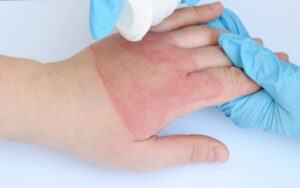
Slight redness surrounding a wound can be normal. But if the redness spreads, lasts too long, or feels warm, it could mean infection.
Signs wound may be infected comprise:
- Elevated redness as well as swelling
- Yellow, green, or foul-smelling drainage
- Fever or chills
In this scenario, pain that gets worse instead of better. If individual notices spreading redness, pus, or fever, seek medical care immediately.