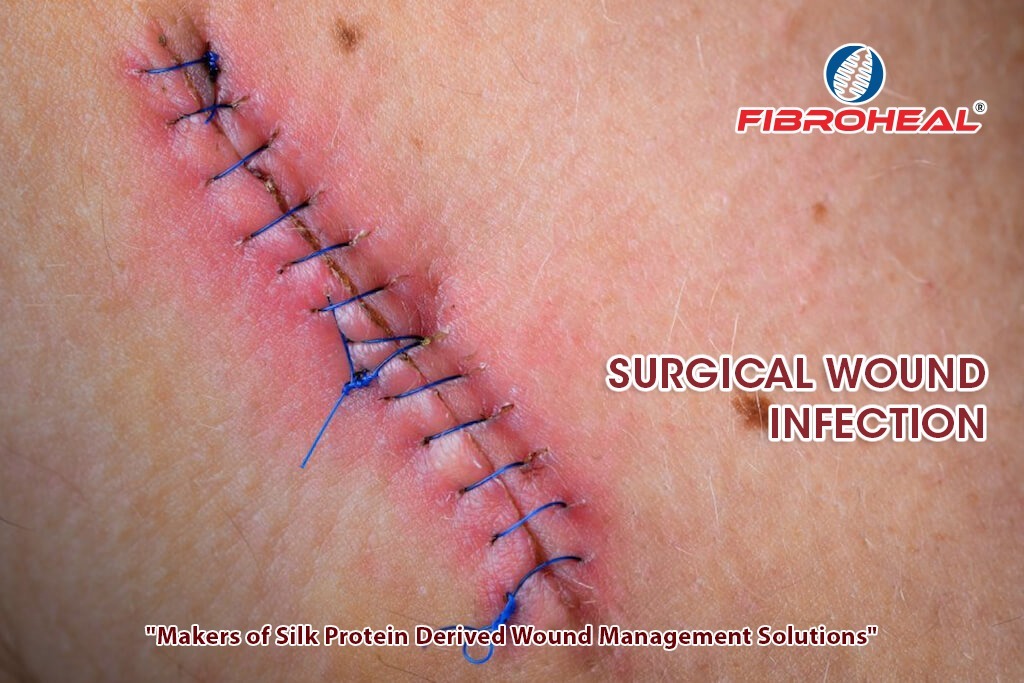
A surgical wound infection (also called as -surgery site infection) refers to an infection that develops post undergoing surgery. These infections happen when germs/bacteria get into body through the incisions (or cuts) surgeon makes. They don’t occur usually, in part because healthcare professionals and hospitals work with lot of effort to prevent them. If an individual is having surgery, they should reach out to surgeon about steps they take to lessen risk.
What are the symptoms of a surgical site infection?
Symptoms/Manifestations usually develop three to seven days post surgery. Symptoms may differ based on the type of surgery that individual had undergone. In general, signs of an infection comprise:
Thick, cloudy, white- or cream-colored discharge from the wound
Noticeable smell/odor from the cut/incision.
An opening in the cut/incision line (the line may get deeper, longer or wider).
Redness (or color alterations) in skin that go beyond the edge of the cut/incision.
Pain when person touches the wound or the site/area around the wound.
The cut/incision site feels warm or hot on touching.
Fever (higher than 101 degrees Fahrenheit or 38.4 degrees Celsius)
Chills
Perspiration/Sweating
Causes
Bacteria cause surgical wound infections. There are millions of different bacteria, but the ones that typically cause surgical wound infection are:
Staphylococcus aureus: This is the most common form of Staphylococcus bacteria and the one responsible for staph infections. About 30% of us have these bacteria living in our noses. In most situations, they’re harmless until they get inside your body.
Streptococcus pyogenes (Group A Streptococcus): This is the bacterium that causes strep throat. The bacteria live in people’s noses and throats and may spread when people sneeze, cough or talk.
Enterococci: These bacteria live in your intestinal tract. They usually don’t cause disease unless they move from your intestinal tract to parts of your body that aren’t supposed to have bacteria. For example, if enterococci in your large intestine spill into your belly during surgery, you may develop a surgical wound infection.
Pseudomonas aeruginosa: Surgical wound infections involving these bacteria may happen if you have them on your skin or they’re on a medical device, like a urinary catheter or a ventilator.