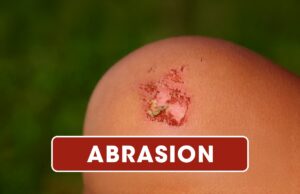
Scars are marks that form when your skin heals post being cut, burned, or damaged. To fix the wound, your body makes new tissue made mostly of a protein known as collagen. This tissue pulls the skin back together and fills in the damaged area/portion. Scars come in multitude shapes and sizes. Some are big or painful, and others are so small you barely notice them. Depending on where they are and how big they are, scars can look unattractive or even make it hard to move. You know what Not every scar requires treatment—most fade over time. But if a scar hurts or bothers you, there are treatments that can help.
What are the Signs of a Scar?
When a scar first forms on lighter skin, it typically looks pink or red. Over time, the color changes and becomes either a little darker or lighter than the person’s normal skin tone. On darker skin, scars usually appear as dark spots. Few scars may itch, or they may feel tender or painful. How a scar looks relies on things like:
What caused it (like a burn, surgery/acne)
How big and deep the wound was
How it was treated (stitches, bandages, etc.)
Person’s age, genetics, as well as overall health.
Causes
Scars are simply part of the body’s natural healing process. Person’s skin shields them from germs, and when it gets damaged, their body promptly makes collagen to close the wound. Collagen helps fill in the injured area/portion, shields it from infection, and seals the skin again.
Types of Scars
Scars can appear anywhere on the body. The main types comprise:
Contracture scars: Often from burns; they make the skin tighten and can limit movement, especially if nerves, muscles, or joints are involved.
Depressed (atrophic) scars: Sunken or pitted scars, often from acne or chickenpox; commonly appear on the face.
Flat scars: At first raised and reddish, but flatten and fade over time.
Keloids: Thick, raised scars that grow beyond the original wound and can become large or limit movement.
Raised (hypertrophic) scars: Thick and raised but stay within the original wound area. They may shrink but don’t flatten completely.
Stretch marks: Happen when the skin stretches or shrinks too quickly—predominant during pregnancy, puberty, or rapid weight alterations.
How are Scars diagnosed?
Most people can tell they have a scar by looking at skin that has healed post an injury. A scar usually looks distinct in color or texture from the nearby skin.
If a scar causes discomfort or limits movement, a healthcare provider/medical professional will examine it. They look at its size, color, and texture to figure out the type of scar and the best treatment. Different scars require distinct approaches depending on their type, location, cause, as well as how long they’ve been there.
FibroScar
Fibroheal with its cutting edge tech as come up with: FibroScar. Intense bioactive formula for skin moisturization and scars.