
Myth Busters: Wound Care
- admin-fibroheal
- November 25, 2025
The majority of us have suffered from cuts or wounds at some point of time doing our day to day tasks/chores. Talking about, minor wounds can be painful and, when infected, can lead to more severe issues. Wounds can be sometimes extremely painful and therefore any knowledge about cuts and wounds can help individuals deal with them better ensuring rapid healing with less pain.
Deep dive to bust a few predominant myths about wound care:
MYTH 1: Uncovered wounds heal rapidly
It is of utmost crucial to keep the wound shielded and free of germs or any other kind of infections. It is best to cover the wound with a plaster post cleaning it thoroughly with a disinfectant or alcohol.
The covering helps to keep the wound free from microbes (bacteria, germs or any kind of fungus) and the wound pad gives an appropriate amount of cushioning and protection to the wound from unforeseen further injuries to the same wound.
MYTH 2: Plasters can cause microbial/germ breeding
This misconception has been very prevalent but the opposite is true. Utilising the right kind of plaster can actually keep the wound safe from any sort of germs or bacteria. Cutting edge plasters which come with antibacterial wound pad which utilises the latest silver ion technology that prevents the breeding of germs and also shields the wound from all forms of infections.
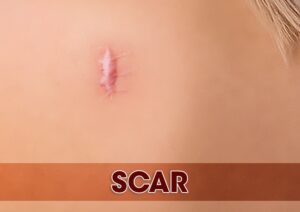
MYTH 3: Scars are inevitable and have no connection with wound care process
This is not a correct/relevant statement at all. Actually, the better the wound is, the smaller the scar. If individuals ensure proper moist and covered healing of the wound, regular changing of dressing as well as proper cleaning of the wound, the scarring can be decreased. Moreover, putting a plaster on a wound can also reduce or nullify the possibility of tearing up of the wound due to any external circumstances.
MYTH 4: Small/Miniature wounds can be left untreated
The smallest of the wounds can become massive medical issues if they are left untreated. Any form of puncture, cut or scrape is a plausible entry point for microbes (bacteria and germs) and thus treating and covering every wound is extremely important.
MYTH 5: A scab over the wound is a good sign
This is a very common myth. On the contrary a scab on the wound hinders the production of cell growth and therefore impedes healing process. Scabs can also trap air and microbes (bacteria) increasing the chances of an infection during the process of healing.
This is just another reason to cover up wounds with a competent and specialized plaster and make sure that wound has gone through the proper moist healing process.
MYTH 6: All wound dressings are interchangeable as well as similar
Even though all plasters and wound dressings might have the similar properties – they adhere and are antibacterial, they aren’t interchangeable. One must be very careful about which plaster to select for which type of wound. Cutting edge plasters available have been designed by specialists for distinct kinds of wounds. These plasters are not only specific to the type of wound but also to the body portion that has been injured. Puncture wounds, scrapes, cuts, knees, elbows, fingertips, etc. all have a specialized plaster designed for them.
MYTH 7: Antibiotics aid in wound healing process
Antibiotics are not always necessary/required for the treatment of a wound. They may be necessary if the wound does not depict signs of healing even post a week but otherwise, simple, and protective wound dressing and treatment can aid healing much rapidly, that too, without antibiotics. Utilising specialized plasters will ensure moist healing which has been proven to be much faster compared to regular, unshielded healing processes.
MYTH 8: Considering Slow wound healing as normal
This must be regarded as a big red flag. Sometimes, when an individual is facing slow wound healing it could be a sign/indication of a bigger disease, like an immunity issue or a blood circulation issue. It is recommended that an individual goes straight to a doctor/medical professional and get the situation checked.
MYTH 9: A plaster on the first day of injury is sufficient to heal it
It’s a predominant belief that the wound only requires a plaster on day one and must be left uncovered to recover for the remaining days. This is definitely not correct/relevant. On the contrary, a lot of scientific studies have depicted that a wound would heal better and rapidly if it is cleaned and covered from day one to the last day until it is healed entirely.
MYTH 10: Deeper wounds cause extreme pain
A layman’s sense of logic would tell them that this is correct, whereas, in reality, the vice versa is true. Surface wounds are more painful given the dense presence of nerve ending right beneath the top layer of the skin. And thus, day to day cuts, wounds, punctures and abrasions require just as much protection and care as bigger or deeper wounds.
Now a few common myths around wound care are discussed here. Hope individuals will be in a better position to take care of their everyday cuts and wounds utilising the regular first aid kit easily available to them. Reaching out for timely medical intervention.