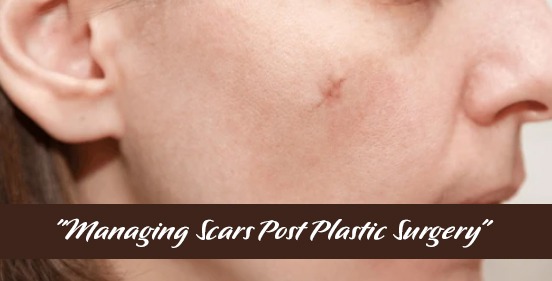
Undergoing plastic surgery can be a life-altering experience, giving an individual renewed confidence and satisfaction with their appearance. However, the ride/journey doesn’t finish in the operating room. Post any surgical procedure, scars are a natural part of the healing process, and managing them effectively is key to attaining optimal results.
In this blog, let’s dive deep into practical tips for managing scars post plastic surgery. Spanning from prevention strategies to the amazing scar treatment options, we’ll cover it all to help an individual heal beautifully as well as confidently.
Why Scars Form Post Plastic Surgery
Scars form as individual’s body’s natural response to wound healing. During process, incisions/cuts are made to access underlying tissues, and the body works to close these wounds by secreting collagen. This collagen forms scar tissue, which varies in appearance based on multitude of factors:
Surgical Technique: Plastic surgeons focus to minimize scarring by placing incisions in less visible portions/areas and utilizing accurate techniques.
Skin Type along with Genetics: Few individuals are more prone to developing thicker or darker scars due to their skin type or family history.
Aftercare: Proper post-operative care plays a crucial role in scar appearance.
While scars can’t be totally avoided, their visibility can usually be reduced with the right care as well as strategies.
What are the Stages of Scar Healing?
Understanding the stages of scar healing can help individual manage their expectations:
Inflammatory Phase (0–7 days):
During this phase, the cut/ incision site may appear red, swollen, tender as individual’s body begins the healing process.
Proliferative Phase (1–4 weeks):
Production of collagen increases, and new tissue begins to form. Scars may appear pink or reddish during this phase.
Maturation Phase (3–12 months):
Over time, scars become flatter, less red, as well as more aligned with individual’s natural skin tone.
Tips for Managing Scars Post Plastic Surgery
Follow Surgeon’s Advice/Guidance
Surgeon’s instructions are tailored to individual’s specific procedure and healing requirements. From how to clean the incision/cut site to when to commence using scar treatments, these guidelines are your first line of defense against noticeable scarring.
Prevent Infection
Infections can disrupt the healing process and lead to more prominent scars. Keep the incision site clean as well as dry, and utilize any prescribed antibiotics or ointments as directed.
Utilize Scar Treatments Early
Once surgeon gives the heads up, begin utilizing scar treatments – for instance – silicone sheets, gels, or specialized scar creams. These products help hydrate the skin, reduce redness, and enhance smoother scar tissue.
Shield Skin from the Sun
Exposure to UV rays can darken scars and make them more noticeable. Always wear a high-SPF sunscreen to scars or cover them with clothing when spending time outdoors.
FibroScar – Intense bioactive formula for skin moisturization and scars formed due to post-operative surgical scars (cosmetic procedures).