Individual’s body is set up to begin healing as soon as it’s cut or injured. But sometimes, due to several reasons, the body doesn’t do exactly what it’s supposed to when it’s supposed to. Sometimes a wound takes more time to heal or gets infected and stops the healing process altogether. It’s crucial to pay attention to the stages of wound healing so as to know whether wound is going in the right direction.
Overview Of The wound Healing Process
A typical wound commences to heal right away following a four-step process:
Haemostasis– The body knows when it’s been wounded and pays concentration on stopping the bleeding first. This process can happen within seconds or minutes of getting a wound. Haemostasis also helps get the body ready for the second stage of healing.
Inflammation-Individual’sbody’s defence system sends white blood cells/leucocytes to the wound to help clear out germs (or bacteria) and debris. Individual might experience some redness, swelling, warmth or pain.
Proliferation– Once the wound is stabilized, it goes into rebuild mode. The body sends oxygen-rich blood cells as well as collagen to the wound, which helps the body to form new skin. It may appear red and raised at this stage.
Maturation– Maturation refers to the stage of healing when a scar softens, flattens and fades. Person will notice their wound looking more like the skin that was once there. During this stage, the body is strengthening the site (or area). On the basis of wound severity, maturation may take 12 months or more to fully complete.
What are the Signs of Wound Healing?
Keeping track of individual’s wound as well as the stage of healing it’s in can aid recognize whether it’s a healing or non-healing wound. Sign of healing comprise:
Clotting blood at the wound
Swelling
Scarring
How to heal a wound that won’t close?
Open wounds as well as wounds that are slow to heal should be looked at by a medical professional/health care provider.
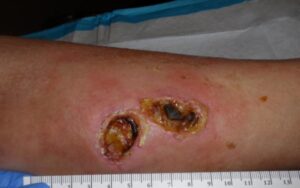
If your wound is non-healing or slow-healing, are considered chronic wounds. There are many options your provider may suggest, including oral prescription medication to improve blood flow, topical prescriptions to help clear up any infection, wound debridement, hyperbaric oxygen treatment or therapy to reduce swelling.
Wound debridement is a process of removing dead or infected tissue from the wound. This helps a wound to heal faster and ensures that healthy tissue can grow.
“If you have a wound that continuously bleeds or has shown no signs of closing after a day, it’s important to talk to a health care provider,