
Diabetes And Wound Care
- admin-fibroheal
- November 28, 2025
Sneak peek – What’s in your first aid kit to help manage a wound, and when should one seek medical attention?
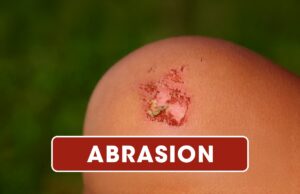
Skin wounds aren’t really a joke/hilarious or laughing matter. We all get them, particularly in the summer season when we tend to wear open-toed shoes and less clothing. Over the years, approaches to wound care have changed — not just the products on the shelf but the way wounds are treated.
November is “Diabetes Awareness Month”, a time to highlight the significance of prevention, early detection, and proactive management of diabetes—especially when it comes to wound care.
Recognising Signs Of Infection
Having diabetes can elevate the probability of infections, and wounds, cuts and grazes take more time to heal if they become infected.
It is crucial to recognise the signs and symptoms of an infection so as to understand when to seek immediate medical attention. Technically all wounds and burns should be looked at by a dedicated medical team; however, prior to a person visiting the health team they can do some basic first aid.
Head Straight To The Doctor If:
- Bleeding that cannot be controlled, or a wound that requires stitches
- Patient can’t remember when he/she last had a tetanus injection
- A wound that fails to heal, ulceration occurs, or if you have had ulcers previously
- Person has callouses on feet or severely cracked heels, they should see a podiatrist
- Wounds that break open or are more than skin deep
- A wound that is weeping, develops an odour, or appears infected
- Other manifestations like bleeding from mouth, nose, eyes, ears, or genital region
- A bad headache, loss of consciousness, slurred speech, or blurred vision
- Redness around the wound that increases in size or becomes more painful and swollen, or you develop a fever
- Animal bites
- Burns that are larger than a 20-cent coin or deeper than first layer of skin, or are on the face or genital portion.
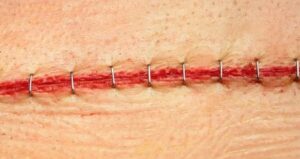
Medical Team May Stitch, Staple or Glue A Wound If:
- Person themselves cannot control the bleeding
- A foreign object/entity is in the wound
- The wound is on the face, hands, mouth, or genitals. Person may require stitching for cosmetic reasons and proper healing
- The wound is greater than 6mm deep and one can see yellow fatty tissue or bone
- If the edges of the wound required to be pulled together to cover a gap of exposed tissue
- If the open wound is on a portion of the body with a lot of movement.
Wound Cleansing
The patient’s medical team may suggest an antiseptic for the wound. An antiseptic on broken skin may reduce the risk of infection. Gently cleansing with saline or tap water (chlorinated or boiled and cooled tank water) can be utilised to remove dirt, sand, or gravel from a wound such as a graze, skin tear or shallow cut. People don’t usually require an antiseptic as antiseptic can slow healing or restart bleeding. Reserve antiseptic for situations where skin is broken in the presence of highly infective agents like another’s bodily fluids, faeces, or rotting matter. Always follow the instructions when utilising an antiseptic. If the solution is strong, dilute it to avoid burning. While utilising a disinfectant wash, leave it on for three to four minutes, and rinse it off with tap water or saline.
Patients should only clean the wound themselves once. If a patient thinks a wound requires re-cleaning, they can visit a GP or nurse practitioner. If they need to dry a wound post cleaning, utilise a product that will not adhere or leave lint. Cotton wool can be utilised for gentle, wet cleaning of the area, but is not suitable for drying.
Burns And Blisters
Creams, ointments and gels are usually not necessary for healing. The exceptions are burns and skin tears for which the medical team may suggest a hydrogel for. Always run a burn under cool water for 20 minutes prior to doing anything else. For a small burn apply a liberal amount of gel and then apply a dressing. Do not burst a blister as it shields the underlying skin and reduces infection.
If the wound is clean and not infected, leave it alone. If a patient wants to add an ointment prior to applying a dressing they could utilize a povidone iodine like Betadine, medical grade manuka honey, or a silver dressing to reduce the risk of infection. There is no need to reapply the ointment while changing the dressing. All infected wounds, burns or blisters larger than a 20 cent piece, burns that don’t feel painful, or deep burns regardless of size, will require immediate medical attention.
Dressings For A Wound
- D‑Fibroheal Wound Aid Bandage 9 cm x 20 cm — A silk-protein + silver-based dressing, helpful for low- to moderately exuding wounds (e.g. minor cuts, abrasions, surgical/incision sites, donor sites). It absorbs excess fluid, shields against infection, and helps maintain a moist environment favorable for healing.
- D‑Fibroheal Wound Aid Port Dressing — Designed for surgical or port-site wounds, small lacerations or skin tears, where a waterproof, flexible, antimicrobial dressing with gentle adhesion is useful. It helps manage exudate and promotes healing.
Beyond these, Fibroheal makes other variants (meshed dressings, antimicrobial foam dressings, silver-impregnated foam, non-adhesive foam, etc.) tailored to distinct wound types — from superficial abrasions and burns to chronic ulcers and more challenging chronic or high-exudate wounds.
In a nutshell, early detection and proper wound care can prevent complications, infections, and even amputations. Diabetes Awareness Month is a great reminder to stay proactive, informed, and engaged in self-care.