The skin is the largest organ of our body as well as the one most exposed to the surroundings or environment, meaning it is more than likely that, at some point in life, their is a chance of exposure to either intense heat, UV rays or chemicals.
How do I get burn scars?
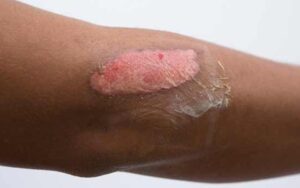
As skin is the most exposed organ of body, burn marks are fairly predominant. In terms of burns, degrees are crucial (pun intended), as burn injuries are categorized into 3 groups: first degree burns, second degree burns and, furthermore, third degree burns. The higher the degree, the more severe the burn. Based on the severity and seriousness of the burn and the extent of the affected/impacted skin area/portion, it may be necessary that individual consults a healthcare professional or visit an emergency room.
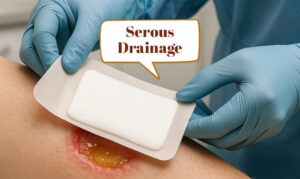
First degree burns are not likely to leave any scar on individual’s skin since they only impact the epidermis. On the other hand, second and third degree burns impact the dermis, thereby increasing the chances of scarring. Therefore, it is significant that burned skin is properly taken care of as promptly as possible. Medical professional may elect to apply special burn creams or ointments as well as appropriate dressings.
Prevention of scarring from burns
With serious burns, it is not possible to completely prevent burn scar formation as burn wounds tend to form hypertrophic scars or keloids. One can lessen the appearance of scars from minor burns by running burn under cool water (and not cold ice) and letting skin air dry. If the burn has occurred in an area/portion/site subjected to tension, like joints, it can cause what are referred to contracture scars that could result in movement restriction.
How are burn scars distinct from other scars?
Based on their location/site and severity, burn scars are at higher risk than other forms of scars of turning into hypertrophic scars as well as keloids since burn injuries result in prolonged inflammation, a risk factor for scar formation. The longer burn takes to heal, the higher probability of hypertrophic scarring. Other factors may also elevate the likelihood of burn scar formation. For instance, if individual has a darker skin type, individual is more at risk of developing a keloid scar. Finally, since they typically impact larger sites/areas, burn scars are more likely to cause contracture scars, which are particularly painful and disabling, especially when located on joints.
In a nutshell, the larger and more severe the burn, the higher the risk of scarring. In case of a severe burn, seek care from a specialized care provider. They would care for burn in the best way possible and therefore should be able to lessen scar formation as much as possible.