Electrical Burns: Know more Risks, Types & Treatment
- admin-fibroheal
- January 20, 2026
Electricity is hazardous (or dangerous). Every time someone boils a kettle (or switch on a plug), there’s a small risk of electrical burns, shocks, as well as even fatal injuries. Of course, these incidents are unusual, but they do happen.
When you or someone you know suffers an electrical burn, you require to know what type and how to treat it for the best possible outcome.
Below, we’ll discuss the causes as well as types of electrical burns and how you can treat each one.
Understanding Electrical Burns
Electrical burns are a manifestation of electric shock, which occurs when electricity comes into contact with the person’s skin.
Similar to heat burns, electrical burns are categorized as either first, second or third-degree, based on the severity:
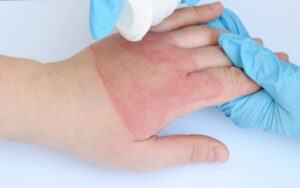
First-degree (superficial) electrical burns impact only the outer skin, causing pain and redness without blistering.
Second-degree (partial-thickness) electrical burns damage deeper skin layers, causing blisters, swelling and severe pain.
Third-degree (full-thickness) electrical burns penetrate all layers of skin to damage underlying tissues, muscles and even bones. Outward symptoms include charred or white skin. Surprisingly, most third-degree feel numb at first rather than painful, as the burn damages nerve endings.
Despite the initial lack of pain, third-degree burns require immediate treatment. The internal tissue damage they cause will be more extensive than most people initially realise.
The severity of a burn relies on the duration of exposure, the strength of the electrical current (stronger currents generate more heat), and the body parts affected.
What are the Common Causes of Electrical Burns?
Predominant causes of electrical burns comprises:
- Defective switches
- Damaged/exposed wiring
- Uncovered parts of appliances
- Malfunctioning electrical equipment
- Poorly fitted power outlets
- Unsafe use of extension cords
What are the different types of Electrical Burns?
Flash Burns: When an electrical current jumps between two points, it creates an arc. If this arc passes over someone’s skin, it causes a flash burn.
Flash burns cover large sites and happen promptly, often in less than a second. Thankfully, this velocity means they’re usually superficial, only damaging the outer skin layer. However, hotter (i.e., higher-current) arcs will cause more serious kind of burns.
Arc Burn: Arc burns are similar but more severe than flash burns.
When electricity arcs through the air, it generates intense heat and pressure. Anyone exposed to this radiant energy can be severely burned, even if the electricity never makes direct contact. There’s the added risk of physical injury, too, since the explosive force of an arc blast can knock people off their feet.
Thermal Burns: Faulty or overloaded electrical equipment can get dangerously hot. If anyone touches equipment in this state, they’re prone to a thermal burn.
Both low as well as high-voltage devices can become extremely hot. Resulting thermal burns can damage the skin as well as underlying tissues.
True Electrical Burns: True electrical burns happens when an electrical current flows through the body, entering at one point (such as a hand) prior exiting at another one (such as the foot).
As the current moves through the body, it generates heat, damaging both the skin and internal tissues, comprising – muscles, nerves, and blood vessels.
These internal injuries aren’t always immediately visible but can be severe. It relies on lot of factors, comprising the voltage of the current, the duration of exposure, and the pathway the electricity takes through the body.
Electricity that conducts through vital organs, like heart or lungs, poses a higher health risk. For instance, a ‘hand-to-hand’ shock sees the current travel through the chest, potentially disrupting the heart’s rhythm and causing cardiac arrest.
Signs and Symptoms
The signs as well as symptoms of electrical burns differ based on the degree.
First-Degree Burn (Superficial Burn):
- Skin redness, dryness and pain
- No blisters
- The burned site turns white when pressed
- Heals in three to six days
- Does not leave a scar
Second-Degree Burn (Partial-Thickness Burn):
- Skin is painful to even a slight touch or changes in air temperature
- Skin becomes red and leaks fluid
- Blisters
- The burned site turns white when pressed
- Heals in one to three weeks
- May leave a mark/scar
Third-Degree Burn (Full-Thickness Burn):
- Lack of pain at the burn site (because nerve endings are destroyed)
- May be painful when pressure is applied
- Does not turn white when pressed
- Serious swelling
- Blisters
- Takes over three weeks to heal
- Likely to leave a mark/scar
Treatment
So, what do you do for an electrical burn? If you or someone else experiences an electrical burn, you should do the following:
- If it’s safe to do so, switch off or disconnect the power source to stop the electrical current.
- Check the individual for signs of shock, breathing, and responsiveness.
- If the burn is external, cool the impacted area/portion with running cold water for at least 10-20 minutes. Do not utilize ice or icy water, as it can worsen tissue damage.
- Cover the burn with a sterile dressing (bandage) or clean cloth to lessen the risk infection.
- Keep the individual warm and lay them down with their feet elevated, if possible, until the medical help arrives.