
Your handy guide to winter skin care routine
- admin-fibroheal
- December 15, 2025
With winter setting in, it is time for celebration of festivities like – Christmas and New Year eve, long holidays, and cozy evenings. But it also calls for additional care for your skin with an enhanced winter skincare routine. Cold, dry air and low humidity levels can be tough on the skin, causing it to become dry, flaky, as well as irritated. This can lead to a loss of elasticity and an increase in the appearance of fine lines as well as wrinkles.
Here, we will give you tips to shield your skin from the cold with a fabulous winter skincare routine.
Why Does Skin Require Additional Care During Winter?
The skin’s moisture barrier is a crucial protective layer. During the colder months, a dearth of humidity in the air can make the skin’s natural barrier more vulnerable. This causes skin moisture to escape easily, leading to multitude of skin issues – for instance – dryness, dehydration, flaking, a tight sensation, and itchiness.
Cold weather can also cause the blood vessels in the skin to constrict (decrease in diameter), reduce blood flow and make the skin appear pale as well as dull. Furthermore, the skin may be more prone to irritation as well as sensitivity due to harsh weather and indoor heating. With a winter skincare routine and additional care, you can help your skin stay healthy and hydrated during the colder months.
Dry Skin Solutions That Work
Given below are a few dry skin solutions for your winter skincare routine:
Usage of Moisturizing Cleansers
In individuals with dry skin, we ideally want cleansers that don’t strip the skin of its natural oils in cold weeks/months, and we want to look for ‘milky’ and ‘creamy’ cleansers while staying clear of anything that says ‘oil control’. Also, it might help to utilize a cleanser only at night and avoid over-cleansing. Utilizing a face mist or a hydrating serum comprising hyaluronic acid or ceramides post-cleansing will help add an additional dose of moisture to the skin.
Keeping Oneself Hydrated
Make sure to drink large quantities of water the entire day to keep your body hydrated and your skin looking soft, supple, as well as more even-toned. Furthermore, hydration helps to shield your skin from environmental stressors, pollution, and sun damage.
Go for a Nutritious Diet
A healthy diet not only helps in your body’s health but also complements your skin regimen. Consuming a balanced and healthy diet that contains surplus fruits, vegetables, whole grains, and lean proteins to help nourish your skin from the inside out. Consuming foods treasure trove – vitamins and minerals, for instance – vitamins A, C, and E, can help to shield your skin from surrounding/environmental damage and keep it healthy.
Skin Types and Features
Understanding the skin type is significant for good winter skin care. Here are predominant types and winter skin troubles for each skin type in the cold weather:
Dry Skin:
Features: This type of skin – tends to be dry, flaky, and itchy.
Winter skin troubles: It gets even drier, sensitive, and can have an eczema breakout.
Oily Skin:
Features: This type of skin – tends to shine, develops acne, and has enlarged pores.
Winter skin troubles: easily dehydrated, with tendencies to get more oils produced and breakouts.
Combination Skin:
Features: A combination of oily and dry skin zones; often has an oily T-zone: forehead, nose, and chin and drier cheeks.
Winter skin troubles: Dry cheeks and possible oiliness in T-zone.
Sensitive Skin:
Features: Redness, irritation, and sensitivity to products.
Winter skin troubles: Feel more sensitive and delicate in the cold.
Find out or explore your skin type and build the skin care routine accordingly. One can identify their skin type by the following two methods, such as:
Waiting method:
Wash the face with a mild cleanser and then wait for how the skin feels post 25–30 minutes without applying anything to it. If it is tight and dry, then the skin is dry. If there is an additional shine and it feels sticky, this would be oily skin. If there are portions/parts that are both oily and dry, then it is combination skin. Even more, if one experiences irritation and sensitivity in the skin, then probably they have sensitive skin.
Blotting method:
Place a clean blotting paper against the distinct parts/portions of the face and then note the quantity of oil left on it against light. If it comprises too much oil, then it might be regarded as oily skin. If it is too dry or lacking in oil, then the skin is considered dry. If blotting paper is oily in a few parts of portions/areas dabbed against the T-zone and dry in other parts, then one might have combination skin. It is always better to do this test around midday or evening for better results.
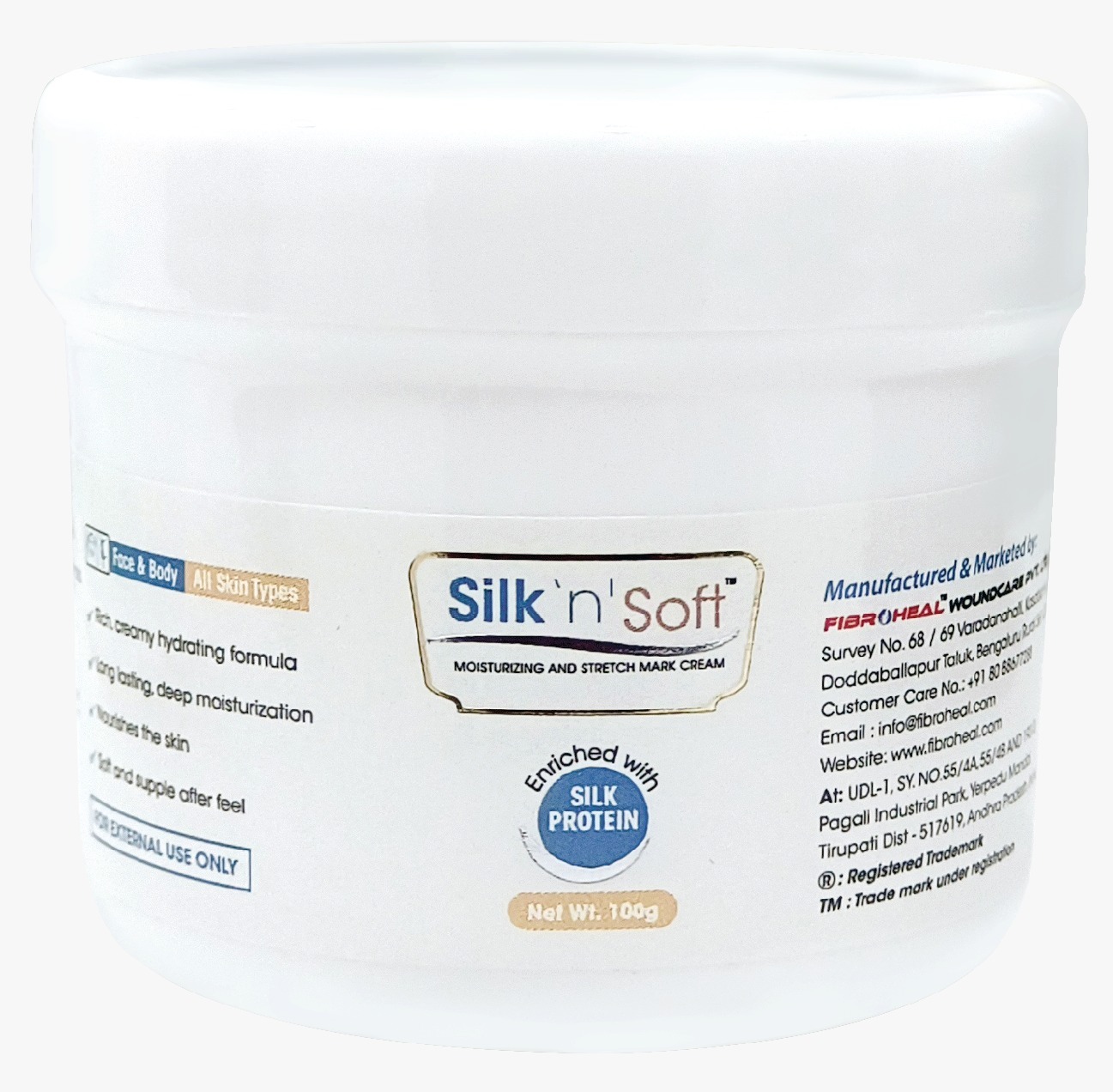
So this holiday season, Make Silk `n` Soft (a specially formulated moisturizing cream enriched with silk protein, sweet almond oil, shea butter and glycerine) – part of your winter skincare routine. To reap benefits of moisturizing and regenerating properties of Silk protein which works at the cellular level by increasing the production of collagen and elastin fibers under the skin, making the skin more elastic and less wrinkled.